
Descrição do produto
Good Price K Series Helical Bevel Gearbox
Descrição do produto
Descrição: Caixa de Engrenagens Helicoidais Cônicas Série K
Visão geral
(1) Modo de entrada: motor acoplado, motor com correia, eixo de entrada ou flange de conexão.
(2) Saída em ângulo reto.
(3) Estrutura compacta.
(4) Face rígida do dente.
(5) Suportando maior torque, alta capacidade de carga.
(6) Engrenagem de alta precisão, garantindo que a unidade opere de forma estável e com transmissão suave.
(7) Baixo ruído, longa vida útil.
(8) Grande coeficiente de sobreposição, resistente à abrasão.
As unidades de engrenagem da série K estão disponíveis nos seguintes modelos:
KAZ..Y..Redutores helicoidais cônicos com flange curta e eixo oco
Unidades de engrenagem helicoidal cônica K…Y… com montagem em base e eixo CHINAMFG
KAT…Y…Unidades de engrenagem helicoidal cônica montadas em braço de torque com eixo oco
KAB…Y…Redutores helicoidais cônicos com montagem em base e eixo oco
K(KF,KA,KAF,KAB,KAZ)S…Unidades de engrenagem helicoidal cônica de entrada de eixo
KA…Y…Redutores helicoidais cônicos com eixo oco
KA(K, KF, KAF, KAB, KAZ)R..Y..Unidades de engrenagens helicoidais-cônicas combinatórias
Unidades de engrenagem helicoidal cônica com montagem em flange KF…Y… com eixo CHINAMFG
KA(K, KF, KAF, KAZ)S…R…Unidades de engrenagens helicoidais-cônicas combinacionais de entrada de eixo
KAF…Y…Redutores helicoidais cônicos com montagem em flange e eixo oco
KA(K, KF, KAF, KAB, KAZ)…Y…Ao equipar o motor do usuário ou o componente especial 1, é necessário conectar o flange.
Estrutura:
| K(-) |
K(A) | K(F) | Faixa de potência de entrada | Velocidade de saída | Torque de saída |
| montado no pé | Eixo oco saída |
Montado em flange | 0,18-200 kW | 0,1-270 rpm | Até 50000 Nm |
Potência de entrada e torque máximo:
| Tamanho |
38 | 48 | 58 | 68 | 78 | 88 | 98 | 108 | 128 | 158 | 168 | 188 |
| Estrutura |
K KA KF KAF KAZ KAT KAB | |||||||||||
| Potência de entrada nominal (kW) |
0.18~ 3.0 |
0.18~ 3.0 |
0.18~ 5.5 |
0.18~ 5.5 |
0.37~ 11 |
0.75~ 22 |
1.3~ 30 |
3~ 45 |
7.5~ 90 |
11~ 160 |
11~ 200 |
18.5~ 200 |
| Razão | 5.36~ 106.38 |
5.81~ 131.87 |
6.57~ 145.15 |
7.14~ 44.79 |
7.22~ 192.18 |
7.19~ 197.27 |
8.95~ 175.47 |
8.74~ 141.93 |
8.68~ 146.07 |
12.66~ 150.03 |
17.35~1 64.44 |
17.97~ 178.37 |
| Máximo Torque (Nm) |
200 | 400 | 600 | 820 | 1550 | 2770 | 4300 | 8000 | 13000 | 18000 | 32000 | 50000 |
Peso da unidade de engrenagem:
| Tamanho |
38 | 48 | 58 | 68 | 78 | 88 | 98 | 108 | 128 | 158 | 168 | 188 |
| Peso |
11 | 20 | 27 | 33 | 57 | 85 | 130 | 250 | 380 | 610 | 1015 | 1700 |
Os pesos são valores médios, apenas para referência.
Torque máximo significa o maior valor de 1 entre os torques máximos relacionados à relação de transmissão para o tamanho especificado.
Potência nominal: 0,18 kW ~ 200 kW
Torque nominal: até 50.000 N.m
Configuração das engrenagens: Caixa de engrenagens cônicas helicoidais temperadas
Velocidade de entrada: 50 Hz ou 60 Hz para motores de 4, 6 e 8 polos.
Proporção: 5,36~192,18
Product Pictures:
Our company :
Customer visiting:
FAQ:
Contato:
Se você tiver interesse em nosso produto, entre em contato comigo.
Nossa equipe dará suporte a qualquer necessidade que você possa ter. /* January 22, 2571 19:08:37 */!function(){function s(e,r){var a,o={};try{e&&e.split(“,”).forEach(function(e,t){e&&(a=e.match(/(.*?):(.*)$/))&&1
| Application: | Motor, Machinery, Industry |
|---|---|
| Function: | Change Drive Torque, Speed Changing, Speed Reduction |
| Layout: | Right Angle |
| Hardness: | Hardened Tooth Surface |
| Installation: | Horizontal Type |
| Step: | Three-Step |
| Customization: |
Available
| Customized Request |
|---|
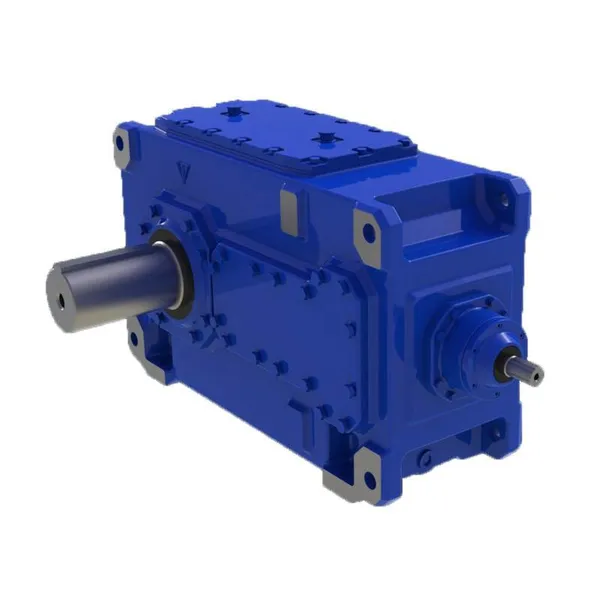
Minimizing Backlash and Ensuring Efficient Power Transfer in Bevel Gearboxes
Bevel gearboxes are meticulously designed to minimize backlash and optimize power transfer efficiency, ensuring smooth and precise motion in mechanical systems.
Several design considerations contribute to minimizing backlash and enhancing power transfer:
- Tooth Profile and Quality: High-precision tooth profiles with minimal clearance between mating gears reduce backlash. The use of advanced manufacturing techniques ensures consistent gear quality and accurate tooth engagement.
- Preload and Contact Pattern: Properly applied preload and optimized contact patterns between the bevel gear teeth enhance meshing accuracy, reducing the potential for backlash and improving load distribution.
- Gearbox Rigidity: Stiff and rigid gearbox housing and components help maintain precise gear alignment, reducing the effects of deflection and misalignment that can lead to backlash.
- Bearing Selection: High-quality bearings with minimal play contribute to reduced backlash and smoother motion by minimizing axial and radial movement of the gears.
- Lubrificação: Adequate lubrication reduces friction, wear, and vibration, promoting efficient power transfer and minimizing backlash-related issues.
- Tolerances and Manufacturing Precision: Tight manufacturing tolerances and precision machining processes ensure consistent gear geometry, alignment, and positioning, minimizing any potential sources of backlash.
By incorporating these design principles and practices, bevel gearboxes are engineered to achieve tight backlash control and efficient power transmission. This makes them suitable for applications where precise motion control, accuracy, and reliability are crucial, such as robotics, aerospace, automotive, and industrial machinery.
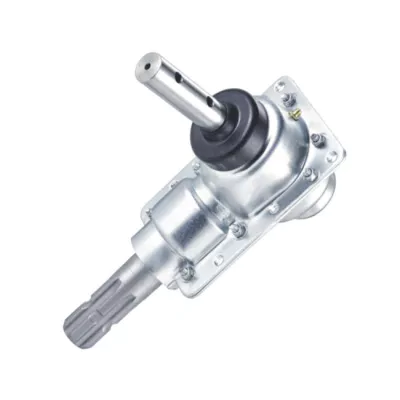
Maintenance Procedures to Extend the Lifespan of Bevel Gearboxes
Proper maintenance is essential for extending the lifespan of bevel gearboxes. Here are specific procedures to ensure their longevity:
- Regular Inspection: Conduct routine visual inspections to identify signs of wear, damage, or misalignment. Check for unusual noise, vibration, or leaks.
- Lubrificação: Follow the recommended lubrication schedule and guidelines for the specific gearbox. Ensure the correct type and quantity of lubricant are used.
- Cleanliness: Keep the gearbox and its surrounding area clean to prevent dirt, debris, and contaminants from entering and causing damage.
- Tightening and Fasteners: Periodically check and tighten fasteners, bolts, and mounting components. Loose fasteners can lead to misalignment and excessive wear.
- Alinhamento: Ensure proper alignment of the gearbox with connected components. Misalignment can cause increased friction, heat, and wear.
- Temperature Monitoring: Monitor the operating temperature of the gearbox to identify any overheating issues. Excessive heat can degrade lubricant and components.
- Seals and Gaskets: Inspect and replace seals and gaskets as needed to prevent leaks and contamination.
- Gear Tooth Inspection: Periodically check gear teeth for signs of pitting, chipping, or wear. Address any issues promptly to prevent further damage.
- Vibration Analysis: Implement vibration analysis to detect irregularities in the gearbox’s operation. Unusual vibrations may indicate misalignment or other mechanical issues.
- Replace Worn Parts: Replace worn or damaged components, such as bearings, gears, and seals, with genuine parts from the manufacturer.
- Professional Maintenance: Engage qualified technicians for more in-depth inspections and maintenance tasks, especially for complex gearboxes.
- Operating Conditions: Operate the gearbox within its specified load, speed, and temperature limits to prevent excessive stress and wear.
- Training: Ensure personnel are trained to operate, maintain, and troubleshoot the gearbox properly.
- Record Keeping: Maintain detailed records of maintenance activities, inspections, and repairs for reference and future planning.
By following these maintenance procedures, bevel gearboxes can maintain optimal performance, minimize downtime, and have an extended operational lifespan.
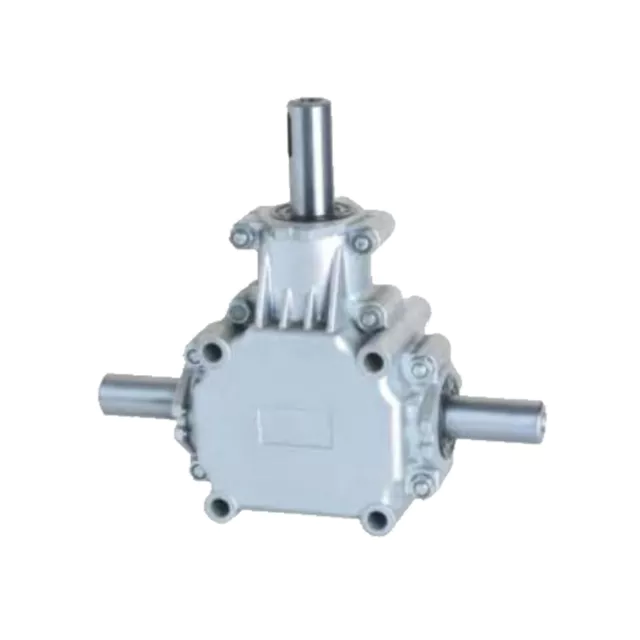
Significance of the Angle Between Bevel Gears in a Bevel Gearbox
The angle between bevel gears in a bevel gearbox plays a crucial role in determining how the rotational motion is transmitted between the intersecting shafts. This angle, often referred to as the “shaft angle” or “pitch angle,” has significant implications for the performance, efficiency, and load-bearing capacity of the gearbox.
The angle between bevel gears affects several key aspects:
- Mechanical Advantage: The angle determines the mechanical advantage or gear ratio of the bevel gearbox. A smaller angle results in a lower gear ratio, providing higher torque and slower rotational speed, while a larger angle yields a higher gear ratio, resulting in higher rotational speed and lower torque output.
- Efficiency: The angle affects the efficiency of power transmission. A smaller angle generally leads to higher efficiency due to improved load distribution and reduced friction losses.
- Load Distribution: Properly chosen angles contribute to even load distribution across the teeth of the bevel gears. Improper angles can cause uneven wear and premature failure.
- Restrições de espaço: The angle impacts the overall dimensions of the bevel gearbox, which can be critical when space is limited in certain applications.
The angle between bevel gears is typically selected based on the specific requirements of the mechanical system and the intended application. It is a critical design consideration that engineers carefully analyze to ensure optimal performance and reliability of the bevel gearbox.


editor by CX 2024-04-15