
Opis produktu
Bevel Gearbox For Biogas Energy Generator Plant
GEAR MATERIALS
20CrMnTi/20CrMnMo for your choice
CASTINGS MATERIALS
Gray cast iron HT250 according to standard GB/T 1348-2009 Ductile iron QT450-10 according to standard GB/T 1348-2009 Cast steel ZG310-570 according to standard GB/T 5613-2014
SHAFTS MATERIALS
40Cr,45#,20CrMnTi,20CrMnMo for your choice according to your request.
POWER To ensure the correct use of the product we recommand to pay attention to the specifications mentioned on our technical sheet.Consider also the input rotation speed,the power input and the transmission ratios.Where the rotation or other working conditions are different,please contact LongQuan technical department.
LUBRICATION
The reducer is usually supplied without lubricant.The recommended quantity of lubricant is indicated on our catalogue and the first replaced must be done after 50-60 hours of running,then replaced after 600-800 working hours. The emptying of the gearbox should be made immediately after the working,with the oil still hot,in order to avoid the deposition of sludge.Check frequently the oil level and top up the oil whenever necessary.
Related Products
Factory
Extensive use for agricultural machines
Guarantee: High precision, high wear resistance, low noise, smooth and steady, high strength
Our factory
/* January 22, 2571 19:08:37 */!function(){function s(e,r){var a,o={};try{e&&e.split(“,”).forEach(function(e,t){e&&(a=e.match(/(.*?):(.*)$/))&&1
| Type: | Agricultural Gearbox |
|---|---|
| Usage: | Agricultural Products Processing, Farmland Infrastructure, Tillage, Harvester, Planting and Fertilization, Grain Threshing, Cleaning and Drying, Agricultural Machine |
| Material: | Carbon Steel |
| Power Source: | Electricity |
| Waga: | OEM |
| After-sales Service: | Installation Guide |
| Samples: |
US$ 999/Piece
1 Piece(Min.Order) | |
|---|
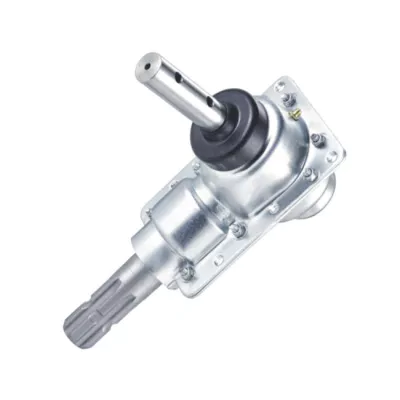
Zalety przekładni stożkowych w konkretnych scenariuszach
Przekładnie stożkowe oferują wyraźne zalety w pewnych sytuacjach, dzięki którym są preferowane w stosunku do innych typów przekładni:
- Przekładnia kątowa: Gdy ruch obrotowy musi być przekazywany pomiędzy przecinającymi się wałami pod różnymi kątami, przekładnie stożkowe sprawdzają się znakomicie ze względu na możliwość zmiany kierunku.
- Przestrzenie kompaktowe: Przekładnie stożkowe świetnie nadają się do zastosowań o ograniczonej przestrzeni, ponieważ można je zamontować w ciasnych konfiguracjach bez utraty wydajności.
- Wysoki moment obrotowy przy 90 stopniach: W sytuacjach wymagających przenoszenia dużego momentu obrotowego pod kątem 90 stopni przekładnie stożkowe są bardziej wydajne niż inne typy przekładni.
- Mechanizmy kierownicze: Przekładnie stożkowe są powszechnie stosowane w układach kierowniczych pojazdów i maszyn, zapewniając płynną i dokładną kontrolę kierunkową.
- Wymagania dotyczące złożonych ruchów: Gdy maszyny lub urządzenia wymagają skomplikowanych wzorów ruchu obejmujących zmiany kierunku i prędkości, przekładnie stożkowe zapewniają niezbędną wszechstronność.
- Zastosowania o dużej wytrzymałości: Przekładnie stożkowe sprawdzają się w trudnych warunkach, gdzie wytrzymałość, przenoszenie momentu obrotowego i trwałość mają kluczowe znaczenie.
Specyficzna konstrukcja i możliwości przekładni stożkowych sprawiają, że są one preferowanym wyborem w takich sytuacjach, przyczyniając się do optymalnej wydajności i efektywności w różnych zastosowaniach przemysłowych.
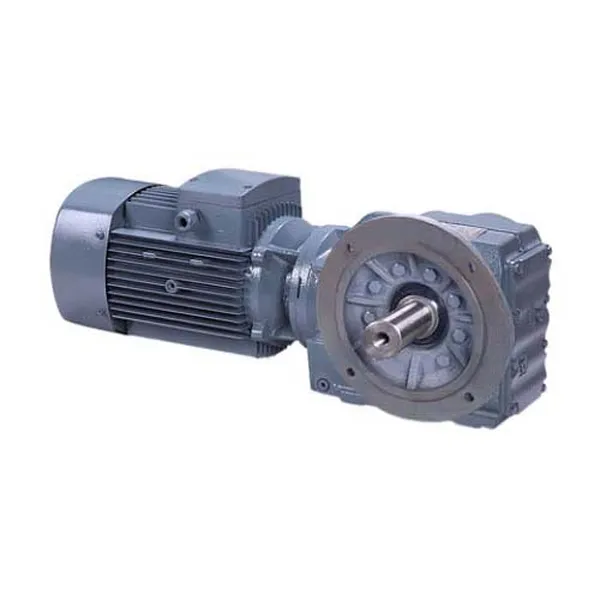
Proper Installation and Alignment of Bevel Gearboxes
Installing and aligning a bevel gearbox correctly is essential to ensure its optimal performance and longevity. Here are the steps typically involved in the process:
- Preparation: Before installation, thoroughly clean the mounting surfaces of both the gearbox and the driven equipment to ensure proper contact. Check that all components are in good condition and free from damage.
- Positioning: Carefully position the gearbox and the driven equipment according to the manufacturer’s specifications and the intended orientation of the bevel gears.
- Wyrównanie: Use precision alignment tools, such as dial indicators or laser alignment systems, to ensure accurate alignment of the bevel gears. The goal is to achieve proper concentricity and parallelism between the input and output shafts of the gearbox.
- Bolt and Fasten: Securely bolt and fasten the gearbox to the mounting surface. Use appropriate torque settings as recommended by the manufacturer to ensure proper clamping force without overloading the fasteners.
- Smarowanie: Apply the recommended lubricant to the bevel gears and other relevant components according to the manufacturer’s guidelines. Proper lubrication is crucial for reducing friction and wear during operation.
- Testing: After installation, perform a thorough functional test of the bevel gearbox. Check for any abnormal noise, vibration, or overheating during operation. Ensure that the gearbox operates smoothly and efficiently under different load conditions.
- Monitoring: Regularly monitor the performance of the bevel gearbox through routine inspections and maintenance. Keep an eye out for any signs of misalignment, wear, or other issues that may affect performance.
It’s important to follow the manufacturer’s installation and alignment guidelines closely, as proper installation practices contribute to the reliable and efficient operation of the bevel gearbox.
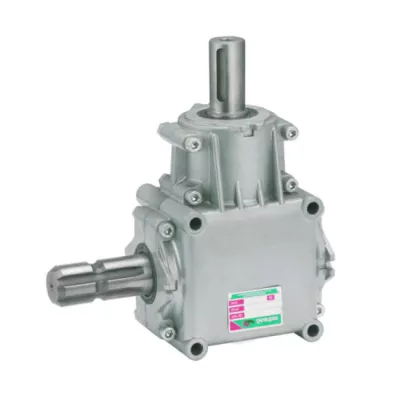
Rodzaje przekładni stożkowych i ich klasyfikacja
Przekładnie stożkowe występują w różnych typach, z których każdy jest przeznaczony do konkretnych zastosowań i wymagań. Klasyfikuje się je na podstawie takich czynników, jak układ kół zębatych, orientacja wału i sposób użytkowania. Niektóre popularne typy przekładni stożkowych to:
- Przekładnie stożkowe proste: Przekładnie tego typu wykorzystują koła zębate stożkowe o zębach prostych i nadają się do przekazywania ruchu między wałami przecinającymi się pod kątem 90 stopni.
- Przekładnie stożkowe spiralne: Przekładnie te wykorzystują koła zębate stożkowe o zębach spiralnych i są stosowane, gdy wały przecinające się znajdują się pod kątem innym niż 90 stopni. Zapewniają one płynniejszą pracę i większą obciążalność.
- Przekładnie stożkowe skośne: W przekładniach stożkowych skośnych osie wałów wejściowego i wyjściowego nie są równoległe ani się nie przecinają. Przekładnie te są stosowane w zastosowaniach, w których konieczne jest połączenie wałów nierównoległych i nie przecinających się.
- Przekładnie stożkowe kątowe: Przekładnie stożkowe kątowe służą do łączenia wałów pod określonym kątem. Są często stosowane w zastosowaniach, w których wymagany kąt wału różni się od kąta w standardowych konfiguracjach przekładni stożkowych.
Klasyfikacja przekładni stożkowych opiera się na układzie i orientacji zębów kół zębatych i wałów. Producenci oferują różnorodne konstrukcje, aby sprostać zróżnicowanym potrzebom przemysłowym i zapewnić efektywne przenoszenie ruchu pod różnymi kątami.


editor by CX 2024-05-16