
Description du produit
> Product Introduction
90 Degree Bevel Helical Transmission Gearbox
K helical speed gearbox motor is designed based on modularization, which bring many difference kinds of combinations, mounting types, and structure designs. The detail classification of ratio can meet various of working condition. High Transmission efficiency, low energy consumption, superior performance. The hard tooth surface gear use the high quality alloy steel, the process of carburizing and quenching, grinding ,which give it following characters: Stable transmission, low noise and temperature, high loading, long working life.
> gearbox Motor Materials
| housing material: | HT2OO high-strength cast iron or HT250 High strength cast iron |
| Gear material: | 20CrMnTi |
| Housing hardness | HBS90-240 |
| Surface hardness of gear | HRC58°-62° |
| Gear core hardness | HRC33°-40° |
| Input/Output shaft material | 40Cr |
| Input/Output shaft hardness | HBS241°-286° |
| Shaft at oil seal position hardness | HRC48 ° -55 ° |
| Machining precision of gears material | Accurate grinding 6-5 grade |
| Efficacité | up to 98% |
| Noise(Max) | 60-68dB |
| Temp.rise: | 40°C |
| Vibration | ≤20um |
| Motor | IP54, F class ,B5 FLANGE |
| color : | blue (if you need big quantity ,we can done as your wanted color ) |
>GEARBOX CATALOGUE :
> Producing Process
> WORKSHOP EQUIPMENT:
CERTIFICATION :
> PACKAGE :
for 1 container, directly loading ,for less, all goods with pallet,
FAQ
1, Q:what’s your MOQ for ac gearbox motor ?
A: 1pc is ok for each type electric gear box motor
2, Q: What about your warranty for your induction speed reducer motor ?
A: 1 year ,but except man-made destroyed
3, Q: which payment way you can accept ?
A: TT, western union .
4, Q: how about your payment way ?
A: 100%payment in advanced less $5000 ,30% payment in advanced payment , 70% payment before sending over $5000.
5, Q: how about your packing of speed reduction motor ?
A: plywood case ,if size is small ,we will pack with pallet for less 1 container
6, Q: What information should be given, if I buy electric helical geared motor from you ?
A: rated power, ratio or output speed,type ,voltage , mounting way , quantity , if more is better.
| Application: | Motor, Machinery, Agricultural Machinery |
|---|---|
| Mise en page: | Bevel |
| Dureté: | Surface dentaire durcie |
| Installation: | Horizontal Type |
| Étape: | Double-pas |
| Type: | Bevel |
| Personnalisation : |
Disponible
| Demande personnalisée |
|---|
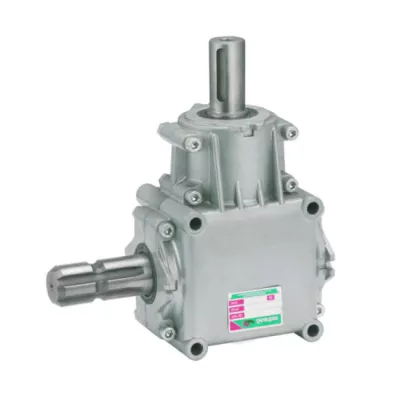
Performance of Bevel Gearboxes in Heavy-Duty Applications like Construction Equipment
Bevel gearboxes are well-suited for heavy-duty applications such as construction equipment due to their robust design and reliable performance:
- Durability: Bevel gearboxes are designed to withstand high loads, shocks, and impacts commonly encountered in construction environments.
- Torque Transmission: Construction equipment requires high torque to move heavy loads, and bevel gearboxes efficiently transmit torque between intersecting shafts.
- Directional Changes: Bevel gearboxes enable smooth and precise changes in rotational direction, crucial for controlling construction machinery.
- Power Distribution: These gearboxes ensure efficient power distribution to various components of construction equipment, enhancing overall functionality.
- Steering Mechanisms: Many construction vehicles rely on bevel gearboxes for their steering systems, allowing operators to navigate equipment with ease.
- Reliability: In demanding construction conditions, bevel gearboxes offer reliable and consistent performance, minimizing downtime and maintenance needs.
The ability of bevel gearboxes to handle heavy loads, transmit torque, and facilitate directional changes makes them indispensable components in construction equipment, contributing to the efficiency and effectiveness of various construction operations.
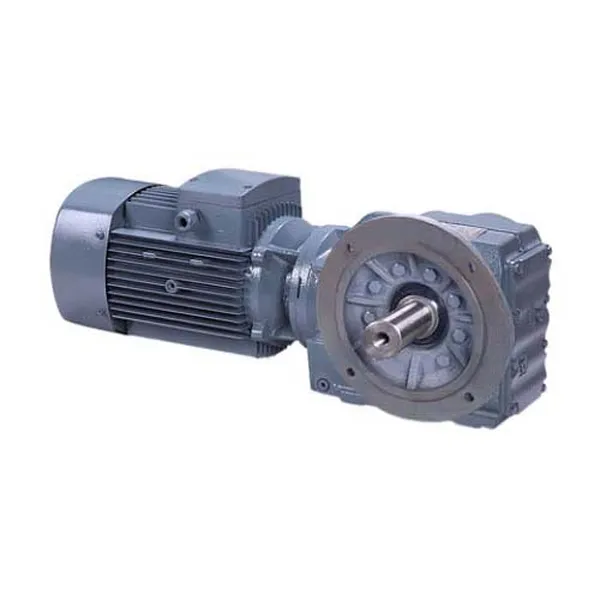
Proper Installation and Alignment of Bevel Gearboxes
Installing and aligning a bevel gearbox correctly is essential to ensure its optimal performance and longevity. Here are the steps typically involved in the process:
- Preparation: Before installation, thoroughly clean the mounting surfaces of both the gearbox and the driven equipment to ensure proper contact. Check that all components are in good condition and free from damage.
- Positioning: Carefully position the gearbox and the driven equipment according to the manufacturer’s specifications and the intended orientation of the bevel gears.
- Alignment: Use precision alignment tools, such as dial indicators or laser alignment systems, to ensure accurate alignment of the bevel gears. The goal is to achieve proper concentricity and parallelism between the input and output shafts of the gearbox.
- Bolt and Fasten: Securely bolt and fasten the gearbox to the mounting surface. Use appropriate torque settings as recommended by the manufacturer to ensure proper clamping force without overloading the fasteners.
- Lubrification: Apply the recommended lubricant to the bevel gears and other relevant components according to the manufacturer’s guidelines. Proper lubrication is crucial for reducing friction and wear during operation.
- Testing: After installation, perform a thorough functional test of the bevel gearbox. Check for any abnormal noise, vibration, or overheating during operation. Ensure that the gearbox operates smoothly and efficiently under different load conditions.
- Monitoring: Regularly monitor the performance of the bevel gearbox through routine inspections and maintenance. Keep an eye out for any signs of misalignment, wear, or other issues that may affect performance.
It’s important to follow the manufacturer’s installation and alignment guidelines closely, as proper installation practices contribute to the reliable and efficient operation of the bevel gearbox.
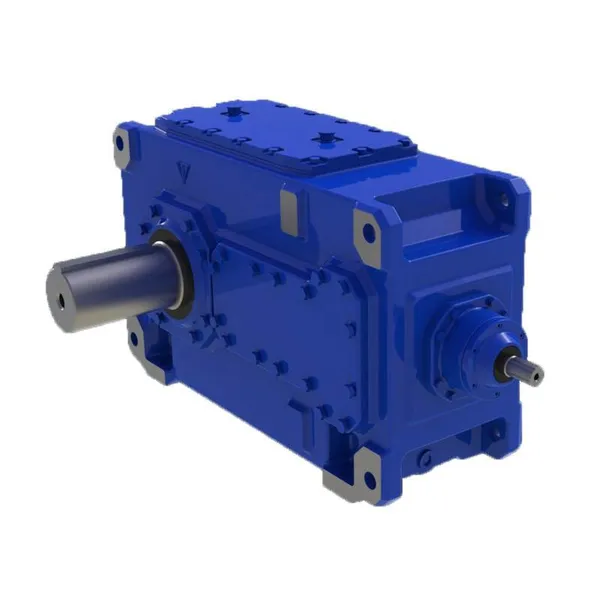
Boîte de vitesses à engrenages coniques : Fonctionnement et mécanique
Un réducteur à engrenages coniques est un dispositif mécanique conçu pour transmettre le mouvement de rotation et la puissance entre deux arbres sécants dont les axes ne sont pas parallèles. Il utilise un ensemble d'engrenages coniques pour inverser le sens de rotation de 90 degrés. Les réducteurs à engrenages coniques sont couramment utilisés dans divers systèmes et applications mécaniques nécessitant un changement de sens de rotation.
Le fonctionnement d'un réducteur à engrenages coniques peut être résumé comme suit :
- Changement de direction : Un réducteur à engrenages coniques est principalement utilisé pour rediriger le mouvement de rotation d'un arbre d'entrée vers un arbre de sortie orienté perpendiculairement. Ceci permet la transmission de puissance et de mouvement dans les virages ou entre différents plans.
- Transfert de couple : Les réducteurs à engrenages coniques sont capables de transmettre le couple entre des arbres qui se croisent, permettant ainsi un transfert efficace de la force de rotation de l'arbre d'entrée à l'arbre de sortie.
- Réduction ou augmentation de la vitesse : Selon la disposition des engrenages coniques, un réducteur à engrenages coniques peut également modifier la vitesse de rotation de l'arbre de sortie par rapport à l'arbre d'entrée. Ceci permet de réduire ou d'augmenter la vitesse selon les besoins du système mécanique.
Le fonctionnement d'un réducteur à engrenages coniques repose sur l'utilisation d'engrenages coniques, dont les dents de forme conique permettent un engrènement angulaire. Les types d'engrenages coniques les plus courants utilisés dans les réducteurs à engrenages coniques sont les engrenages coniques droits et les engrenages coniques hélicoïdaux.
Lorsque l'arbre d'entrée tourne, son engrenage conique s'engrène avec le premier engrenage conique de la boîte de vitesses. Le mouvement de rotation est ainsi transmis au second engrenage conique, monté sur l'arbre de sortie. L'engrènement de ces engrenages inverse le sens de rotation et transmet le couple à l'arbre de sortie.
On retrouve les réducteurs à engrenages coniques dans diverses applications, notamment les différentiels automobiles, les outils électriques, les presses d'imprimerie, les machines-outils et autres systèmes mécaniques où la transmission du couple et les changements de direction sont essentiels.


editor by CX 2023-10-07