
Produktbeschreibung
Bevel Gearbox For Biogas Energy Generator Plant
GEAR MATERIALS
20CrMnTi/20CrMnMo for your choice
CASTINGS MATERIALS
Gray cast iron HT250 according to standard GB/T 1348-2009 Ductile iron QT450-10 according to standard GB/T 1348-2009 Cast steel ZG310-570 according to standard GB/T 5613-2014
SHAFTS MATERIALS
40Cr,45#,20CrMnTi,20CrMnMo for your choice according to your request.
POWER To ensure the correct use of the product we recommand to pay attention to the specifications mentioned on our technical sheet.Consider also the input rotation speed,the power input and the transmission ratios.Where the rotation or other working conditions are different,please contact LongQuan technical department.
LUBRICATION
The reducer is usually supplied without lubricant.The recommended quantity of lubricant is indicated on our catalogue and the first replaced must be done after 50-60 hours of running,then replaced after 600-800 working hours. The emptying of the gearbox should be made immediately after the working,with the oil still hot,in order to avoid the deposition of sludge.Check frequently the oil level and top up the oil whenever necessary.
Related Products
Factory
Extensive use for agricultural machines
Guarantee: High precision, high wear resistance, low noise, smooth and steady, high strength
Our factory
/* January 22, 2571 19:08:37 */!function(){function s(e,r){var a,o={};try{e&&e.split(“,”).forEach(function(e,t){e&&(a=e.match(/(.*?):(.*)$/))&&1
| Type: | Agricultural Gearbox |
|---|---|
| Usage: | Agricultural Products Processing, Farmland Infrastructure, Tillage, Harvester, Planting and Fertilization, Grain Threshing, Cleaning and Drying, Agricultural Machine |
| Material: | Carbon Steel |
| Power Source: | Strom |
| Gewicht: | OEM |
| After-sales Service: | Installation Guide |
| Samples: |
US$ 999/Piece
1 Piece(Min.Order) | |
|---|
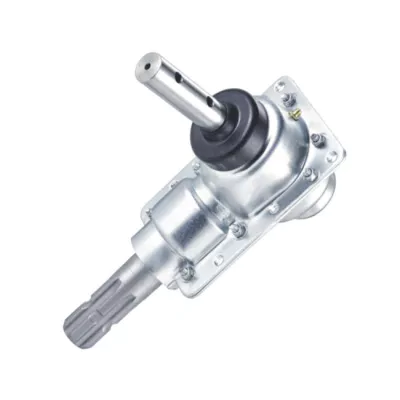
Vorteile von Kegelradgetrieben in bestimmten Anwendungsfällen
Kegelradgetriebe bieten in bestimmten Anwendungsfällen deutliche Vorteile und werden daher anderen Getriebetypen vorgezogen:
- Winkelübertragung: Wenn eine Drehbewegung zwischen sich kreuzenden Wellen in unterschiedlichen Winkeln übertragen werden muss, sind Kegelradgetriebe aufgrund ihrer Fähigkeit zur Richtungsänderung hervorragend geeignet.
- Kompakte Räume: Kegelradgetriebe eignen sich gut für Anwendungen mit begrenztem Platzangebot, da sie auch in enge Konfigurationen passen, ohne die Leistung zu beeinträchtigen.
- Hohes Drehmoment bei 90 Grad: Bei Situationen, die eine hohe Drehmomentübertragung bei einem Winkel von 90 Grad erfordern, sind Kegelradgetriebe effizienter als andere Getriebearten.
- Lenkmechanismen: Kegelradgetriebe werden häufig in Lenksystemen von Fahrzeugen und Maschinen eingesetzt und ermöglichen eine reibungslose und präzise Richtungssteuerung.
- Komplexe Bewegungsanforderungen: Wenn Maschinen oder Anlagen komplexe Bewegungsmuster erfordern, die Richtungs- und Geschwindigkeitsänderungen beinhalten, bieten Kegelradgetriebe die notwendige Vielseitigkeit.
- Anwendungen für hohe Beanspruchung: Kegelradgetriebe bewähren sich besonders in anspruchsvollen Umgebungen, in denen Robustheit, Drehmomentübertragung und Langlebigkeit entscheidend sind.
Die spezifische Konstruktion und die Leistungsfähigkeit von Kegelradgetrieben machen sie in diesen Anwendungsfällen zur bevorzugten Wahl und tragen zu optimaler Leistung und Effizienz in verschiedenen industriellen Anwendungen bei.
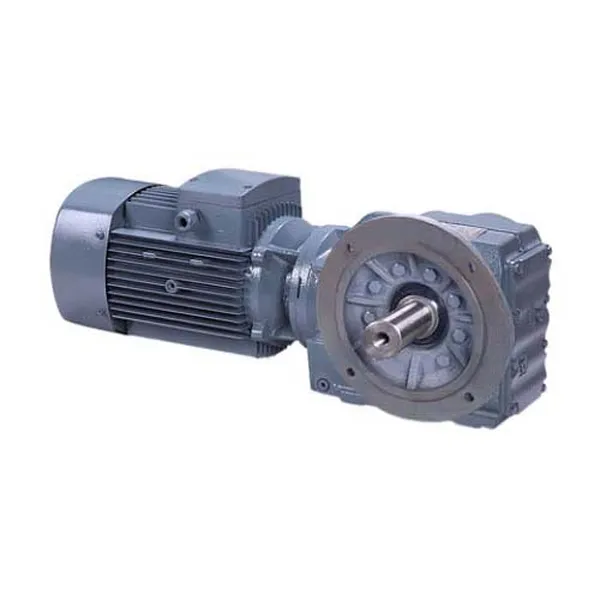
Proper Installation and Alignment of Bevel Gearboxes
Installing and aligning a bevel gearbox correctly is essential to ensure its optimal performance and longevity. Here are the steps typically involved in the process:
- Preparation: Before installation, thoroughly clean the mounting surfaces of both the gearbox and the driven equipment to ensure proper contact. Check that all components are in good condition and free from damage.
- Positioning: Carefully position the gearbox and the driven equipment according to the manufacturer’s specifications and the intended orientation of the bevel gears.
- Ausrichtung: Use precision alignment tools, such as dial indicators or laser alignment systems, to ensure accurate alignment of the bevel gears. The goal is to achieve proper concentricity and parallelism between the input and output shafts of the gearbox.
- Bolt and Fasten: Securely bolt and fasten the gearbox to the mounting surface. Use appropriate torque settings as recommended by the manufacturer to ensure proper clamping force without overloading the fasteners.
- Schmierung: Apply the recommended lubricant to the bevel gears and other relevant components according to the manufacturer’s guidelines. Proper lubrication is crucial for reducing friction and wear during operation.
- Testing: After installation, perform a thorough functional test of the bevel gearbox. Check for any abnormal noise, vibration, or overheating during operation. Ensure that the gearbox operates smoothly and efficiently under different load conditions.
- Monitoring: Regularly monitor the performance of the bevel gearbox through routine inspections and maintenance. Keep an eye out for any signs of misalignment, wear, or other issues that may affect performance.
It’s important to follow the manufacturer’s installation and alignment guidelines closely, as proper installation practices contribute to the reliable and efficient operation of the bevel gearbox.
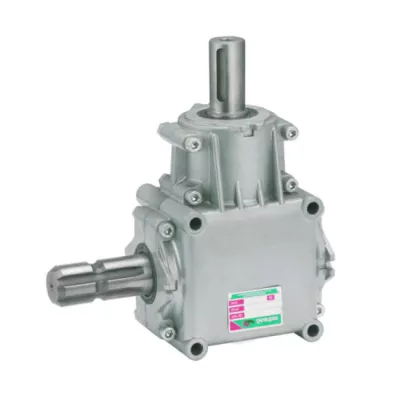
Arten von Kegelradgetrieben und ihre Klassifizierung
Kegelradgetriebe gibt es in verschiedenen Ausführungen, die jeweils für spezifische Anwendungen und Anforderungen konzipiert sind. Sie werden anhand von Faktoren wie Zahnradanordnung, Wellenausrichtung und Verwendungszweck klassifiziert. Zu den gängigen Kegelradgetrieben gehören:
- Gerade Kegelradgetriebe: Diese Getriebe verwenden geradverzahnte Kegelräder und eignen sich zur Kraftübertragung zwischen sich kreuzenden Wellen im 90-Grad-Winkel.
- Spiral-Kegelradgetriebe: Diese Getriebe verwenden spiralförmige Kegelräder und kommen zum Einsatz, wenn die sich kreuzenden Wellen in einem Winkel ungleich 90 Grad zueinander stehen. Sie bieten einen ruhigeren Lauf und eine höhere Belastbarkeit.
- Schrägkegelgetriebe: Bei Kegelradgetrieben verlaufen die Achsen der Ein- und Ausgangswelle nicht parallel und schneiden sich nicht. Diese Getriebe werden in Anwendungen eingesetzt, in denen nicht parallele und sich nicht schneidende Wellen verbunden werden müssen.
- Schrägkegelgetriebe: Schrägkegelgetriebe sind so konstruiert, dass sie Wellen in einem bestimmten Winkel verbinden und werden häufig in Anwendungen eingesetzt, bei denen der erforderliche Wellenwinkel von Standard-Kegelradkonfigurationen abweicht.
Die Klassifizierung von Kegelradgetrieben basiert auf der Anordnung und Ausrichtung der Zahnräder und Wellen. Hersteller bieten eine Vielzahl von Ausführungen an, um unterschiedlichen industriellen Anforderungen gerecht zu werden und eine effiziente Kraftübertragung bei verschiedenen Winkeln zu gewährleisten.


editor by CX 2024-05-16