
Descripción del Producto
> Product Introduction
90 Degree Bevel Helical Transmission Gearbox
K helical speed gearbox motor is designed based on modularization, which bring many difference kinds of combinations, mounting types, and structure designs. The detail classification of ratio can meet various of working condition. High Transmission efficiency, low energy consumption, superior performance. The hard tooth surface gear use the high quality alloy steel, the process of carburizing and quenching, grinding ,which give it following characters: Stable transmission, low noise and temperature, high loading, long working life.
> gearbox Motor Materials
| housing material: | HT2OO high-strength cast iron or HT250 High strength cast iron |
| Gear material: | 20CrMnTi |
| Housing hardness | HBS90-240 |
| Surface hardness of gear | HRC58°-62° |
| dureza del núcleo del engranaje | HRC33°-40° |
| Material del eje de entrada/salida | 40 millones de rupias |
| Input/Output shaft hardness | HBS241°-286° |
| Shaft at oil seal position hardness | HRC48 ° -55 ° |
| Machining precision of gears material | Rectificado preciso de grado 6-5 |
| Eficiencia | up to 98% |
| Noise(Max) | 60-68dB |
| Temp.rise: | 40°C |
| Vibration | ≤20um |
| Motor | IP54, F class ,B5 FLANGE |
| color : | blue (if you need big quantity ,we can done as your wanted color ) |
>GEARBOX CATALOGUE :
> Producing Process
> WORKSHOP EQUIPMENT:
CERTIFICATION :
> PACKAGE :
for 1 container, directly loading ,for less, all goods with pallet,
Preguntas frecuentes
1, Q:what’s your MOQ for ac gearbox motor ?
A: 1pc is ok for each type electric gear box motor
2, Q: What about your warranty for your induction speed reducer motor ?
A: 1 year ,but except man-made destroyed
3, Q: which payment way you can accept ?
A: TT, western union .
4, Q: how about your payment way ?
A: 100%payment in advanced less $5000 ,30% payment in advanced payment , 70% payment before sending over $5000.
5, Q: how about your packing of speed reduction motor ?
A: plywood case ,if size is small ,we will pack with pallet for less 1 container
6, Q: What information should be given, if I buy electric helical geared motor from you ?
A: rated power, ratio or output speed,type ,voltage , mounting way , quantity , if more is better.
| Solicitud: | Motor, Machinery, Agricultural Machinery |
|---|---|
| Disposición: | Bevel |
| Dureza: | Superficie del diente endurecida |
| Instalación: | Horizontal Type |
| Paso: | Doble paso |
| Type: | Bevel |
| Personalización: |
Disponible
| Solicitud personalizada |
|---|
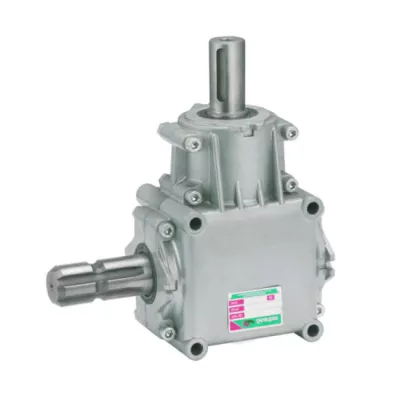
Performance of Bevel Gearboxes in Heavy-Duty Applications like Construction Equipment
Bevel gearboxes are well-suited for heavy-duty applications such as construction equipment due to their robust design and reliable performance:
- Durability: Bevel gearboxes are designed to withstand high loads, shocks, and impacts commonly encountered in construction environments.
- Torque Transmission: Construction equipment requires high torque to move heavy loads, and bevel gearboxes efficiently transmit torque between intersecting shafts.
- Directional Changes: Bevel gearboxes enable smooth and precise changes in rotational direction, crucial for controlling construction machinery.
- Power Distribution: These gearboxes ensure efficient power distribution to various components of construction equipment, enhancing overall functionality.
- Steering Mechanisms: Many construction vehicles rely on bevel gearboxes for their steering systems, allowing operators to navigate equipment with ease.
- Reliability: In demanding construction conditions, bevel gearboxes offer reliable and consistent performance, minimizing downtime and maintenance needs.
The ability of bevel gearboxes to handle heavy loads, transmit torque, and facilitate directional changes makes them indispensable components in construction equipment, contributing to the efficiency and effectiveness of various construction operations.
Lubrication Requirements for Maintaining Bevel Gearbox Efficiency
Proper lubrication is crucial for maintaining the efficiency and longevity of bevel gearboxes. Here are the essential lubrication requirements:
- Selection of Lubricant: Choose a high-quality lubricant specifically designed for bevel gear applications. The lubricant should have the appropriate viscosity and additives to withstand the operating conditions and loads.
- Correct Lubricant Quantity: Follow the manufacturer’s recommendations for the correct lubricant quantity. Insufficient lubrication can lead to increased friction and wear, while over-lubrication can cause overheating and inefficient operation.
- Lubrication Intervals: Establish a regular lubrication schedule based on the gearbox’s operating conditions. Factors such as load, speed, temperature, and environment can influence the frequency of lubrication.
- Proper Lubrication Points: Identify all the necessary lubrication points on the bevel gearbox, including bearings, gears, and other moving parts. Ensure that lubricant is applied precisely to these points for optimal coverage.
- Cleanliness: Keep the gearbox and its surrounding area clean to prevent contamination of the lubricant. Dirt, debris, and moisture can compromise the lubrication effectiveness and accelerate wear.
- Temperature Considerations: Choose a lubricant with temperature stability suitable for the operating conditions. Extreme temperatures can affect lubricant viscosity and performance.
- Monitoring: Regularly monitor the condition of the lubricant, including its color, consistency, and contamination level. Perform oil analysis if necessary to assess the lubricant’s health.
- Lubricant Compatibility: Ensure that the chosen lubricant is compatible with the gearbox materials to prevent corrosion or damage.
- Re-lubrication: During routine maintenance, clean and reapply lubricant as needed. Replace the lubricant when it reaches the end of its service life.
Adhering to proper lubrication requirements enhances the efficiency, performance, and reliability of bevel gearboxes, reducing friction, wear, and the risk of premature failure.
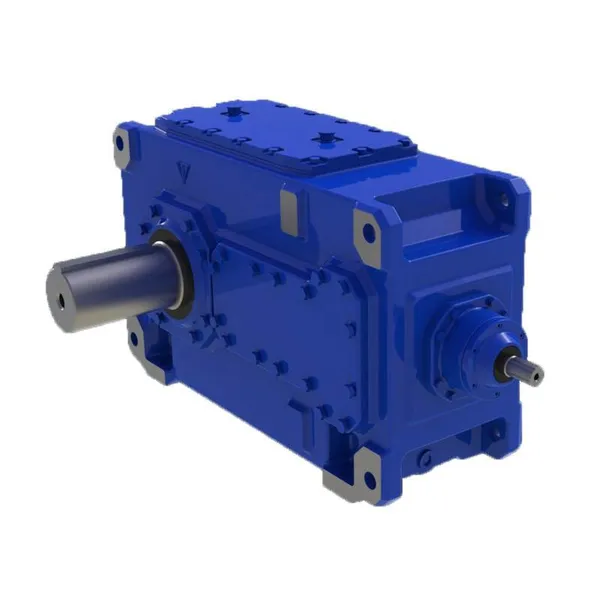
Caja de engranajes cónicos: funcionamiento y mecánica
Una caja de engranajes cónicos es un tipo de dispositivo mecánico diseñado para transmitir movimiento rotacional y potencia entre dos ejes que se cruzan con ejes no paralelos. Emplea un conjunto de engranajes cónicos para cambiar la dirección del movimiento en 90 grados. Las cajas de engranajes cónicos se utilizan comúnmente en diversos sistemas y aplicaciones mecánicas donde se requiere un cambio en la dirección de rotación.
La función de una caja de engranajes cónicos se puede resumir de la siguiente manera:
- Cambio de dirección: Una caja de engranajes cónicos se utiliza principalmente para redirigir el movimiento de rotación desde un eje de entrada a un eje de salida orientado perpendicularmente. Esto permite la transmisión de potencia y movimiento en curvas o entre diferentes planos.
- Transferencia de par: Las cajas de engranajes cónicos son capaces de transmitir par entre ejes que se cruzan, lo que permite la transferencia eficiente de la fuerza de rotación desde el eje de entrada al eje de salida.
- Reducción o aumento de velocidad: Dependiendo de la disposición de los engranajes cónicos, una caja de engranajes cónicos también puede modificar la velocidad de rotación del eje de salida con respecto al eje de entrada. Esto permite reducir o aumentar la velocidad según sea necesario en el sistema mecánico.
El funcionamiento de una caja de engranajes cónicos se basa en el uso de engranajes cónicos, que poseen dientes de forma cónica que les permiten engranar entre sí en un ángulo determinado. Los tipos más comunes de engranajes cónicos utilizados en estas cajas son los engranajes cónicos rectos y los engranajes cónicos espirales.
Cuando el eje de entrada gira, su engranaje cónico acoplado se engrana con el primer engranaje cónico de la caja de engranajes. Como resultado, el movimiento de rotación se transmite al segundo engranaje cónico, montado en el eje de salida. La interacción de estos engranajes cambia el sentido de giro y transmite el par motor al eje de salida.
Las cajas de engranajes cónicos se encuentran en diversas aplicaciones, incluidos los diferenciales de automóviles, herramientas eléctricas, imprentas, máquinas herramienta y otros sistemas mecánicos donde la transmisión de par y los cambios de dirección son esenciales.


editor by CX 2023-10-31