
وصف المنتج
Product Advantages
|
F Series Gearbox Reducer |
|
|
Product name |
F series of the gearbox hollow shaft model F107 oil seal transmission gearbox reducer reduction |
|
Warranty |
1 years |
|
Applicable Industries |
Manufacturing Plant |
|
Weight (KG) |
50KG |
|
Customized support |
مصنّع المعدات الأصلية |
|
ترتيب التروس |
Helical |
|
عزم الدوران الناتج |
1.8-2430N.M |
|
سرعة الإدخال |
1440, 2800,960,750 |
|
سرعة الإخراج |
0.5 to 200 |
|
مكان المنشأ |
الصين |
|
Product name |
F Series Parallel Shaft Gearbox Reducer |
|
طلب |
Hardened Tooth Surface |
|
تثبيت |
Horizontal Type |
|
Layout |
Coaxial |
|
Gear Shape |
Helical |
|
Production Capacity |
800-1500PCS /Month |
|
يكتب |
Gear Reduction Motor |
|
لون |
Blue,Sliver or Customized |
|
التعبئة والتغليف |
Wooden Box |
وصف المنتج
Our Advantages
–Modular design, wide transmission ratio coverage, fine and reasonable distribution; Force reducer
–There are 11 types of frame specifications from F.27-F.157, and the transmission power range is 0.12KW-200KW;
–The shape design is suitable for omnidirectional universal installation configuration;
–The transmission is relatively accurate, covering the range of 3.77-281.71, and can be selected as required;
–The gear is grinded by high-precision gear grinding machine, with balanced transmission, low noise, and interstage efficiency of 98%;
–The transmission ratio of the F.R.reducer is extended to 31431, which is specially designed for special low-speed occasions
Editing and broadcasting of main materials
–Box: cast iron;
–Gear: low carbon alloy steel, carbonitriding treatment (after fine grinding, keep the tooth surface hardness of 60HRC, hard layer thickness>0.5mm);
–Flat key: 45 steel, with surface hardness above 45HRC.
Surface painting:
–Cast iron: sprayed with RAL7031 grey blue paint.
Parameter editing broadcast
Power: 0.18KW~200KW
Torque: 3N · m ~ 22500N · m
F series parallel shaft reducer
F series parallel shaft reducer
Output speed: 0.06~374r/minF series parallel shaft reducer
/* January 22, 2571 19:08:37 */!function(){function s(e,r){var a,o={};try{e&&e.split(“,”).forEach(function(e,t){e&&(a=e.match(/(.*?):(.*)$/))&&1
| Application: | Motor, Motorcycle, Machinery, Agricultural machine |
|---|---|
| Hardness: | Hardened Tooth Surface |
| Installation: | Horizontal Type |
| Layout: | Expansion, Parallel |
| Gear Shape: | Bevel Gear |
| Step: | Single-Step |
| Samples: |
US$ 500/Piece
1 Piece(Min.Order) | |
|---|
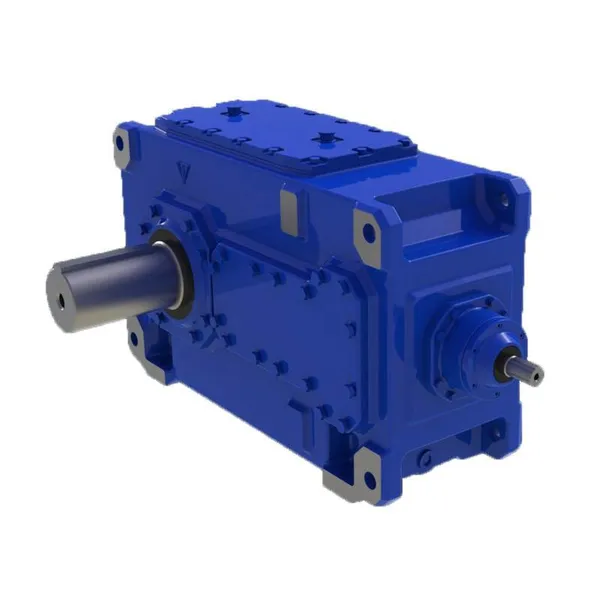
Minimizing Backlash and Ensuring Efficient Power Transfer in Bevel Gearboxes
Bevel gearboxes are meticulously designed to minimize backlash and optimize power transfer efficiency, ensuring smooth and precise motion in mechanical systems.
Several design considerations contribute to minimizing backlash and enhancing power transfer:
- Tooth Profile and Quality: High-precision tooth profiles with minimal clearance between mating gears reduce backlash. The use of advanced manufacturing techniques ensures consistent gear quality and accurate tooth engagement.
- Preload and Contact Pattern: Properly applied preload and optimized contact patterns between the bevel gear teeth enhance meshing accuracy, reducing the potential for backlash and improving load distribution.
- Gearbox Rigidity: Stiff and rigid gearbox housing and components help maintain precise gear alignment, reducing the effects of deflection and misalignment that can lead to backlash.
- Bearing Selection: High-quality bearings with minimal play contribute to reduced backlash and smoother motion by minimizing axial and radial movement of the gears.
- تشحيم: Adequate lubrication reduces friction, wear, and vibration, promoting efficient power transfer and minimizing backlash-related issues.
- Tolerances and Manufacturing Precision: Tight manufacturing tolerances and precision machining processes ensure consistent gear geometry, alignment, and positioning, minimizing any potential sources of backlash.
By incorporating these design principles and practices, bevel gearboxes are engineered to achieve tight backlash control and efficient power transmission. This makes them suitable for applications where precise motion control, accuracy, and reliability are crucial, such as robotics, aerospace, automotive, and industrial machinery.
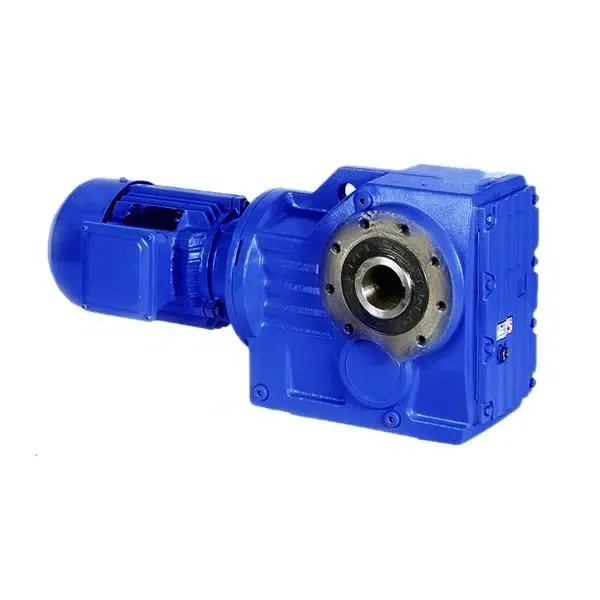
تحديات استخدام علب التروس المخروطية
على الرغم من أن علب التروس المخروطية توفر فوائد متنوعة، إلا أن هناك تحديات معينة قد تنشأ عند استخدامها:
- تشحيم: يُعدّ التشحيم السليم ضروريًا لتقليل الاحتكاك والتآكل وتوليد الحرارة في علب التروس المخروطية. ومع ذلك، قد يكون ضمان التشحيم الفعال في التروس المخروطية المتشابكة أمرًا صعبًا نظرًا لشكلها الهندسي المعقد واحتمالية تجمع الزيت أو عدم تغطيته بشكل كافٍ.
- الضوضاء والاهتزاز: قد تُصدر علب التروس المخروطية ضوضاءً واهتزازات أثناء التشغيل، خاصةً عند السرعات العالية. ويمكن أن يؤدي تفاعل أسنان التروس إلى توليد الضوضاء، مما قد يتطلب اتخاذ تدابير إضافية مثل عزل الصوت أو تخميد الاهتزازات للتخفيف منها.
- تنسيق: يُعدّ ضبط تروس المخروط بدقة أمرًا بالغ الأهمية لضمان نقل الطاقة بسلاسة وكفاءة. قد يؤدي عدم الضبط إلى زيادة التآكل، وانخفاض الكفاءة، وحتى تلف أسنان التروس. ويُعتبر تحقيق الضبط الصحيح أكثر تعقيدًا في علب التروس المخروطية مقارنةً بأنواع علب التروس الأخرى.
- صيانة: قد تتطلب علب التروس المخروطية صيانة أكثر تكرارًا مقارنةً بأنظمة التروس الأخرى. وتُعد عمليات الفحص الدورية، وفحص التشحيم، ومراقبة شكل أسنان التروس ضرورية لاكتشاف أي مشاكل ومعالجتها قبل تفاقمها.
- قيود المساحة: قد يكون تصميم علب التروس المخروطية ضخمًا، خاصةً عند استخدامها في التطبيقات التي تتطلب نسبة تروس عالية. وهذا قد يشكل تحديات في الأماكن ذات المساحة المحدودة.
- تبديد الحرارة: قد تُولّد التطبيقات عالية السرعة أو التطبيقات الشاقة حرارة كبيرة في علب التروس المخروطية. وقد يتطلب الأمر آليات تبديد حرارة مناسبة، مثل زعانف التبريد أو تبريد التشحيم، لمنع ارتفاع درجة الحرارة والتلف المبكر.
يحتاج المهندسون والمصنعون إلى معالجة هذه التحديات بعناية لضمان الاستخدام الموثوق والفعال لعلب التروس المخروطية في مختلف التطبيقات.
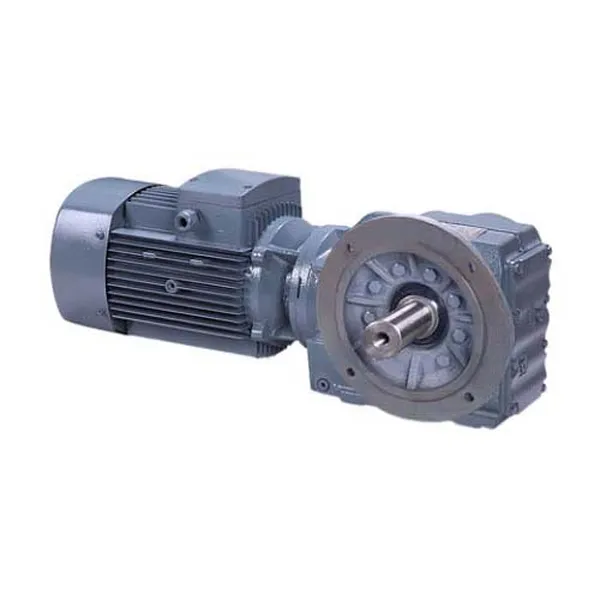
Transmission of Motion at an Angle with Bevel Gearboxes
Bevel gearboxes are designed to transmit motion between intersecting shafts that are positioned at an angle to each other. They accomplish this by using a set of bevel gears, which have teeth that are cut in a conical shape.
When two bevel gears mesh, their teeth engage at the point of contact. As one gear rotates, it drives the other gear, transmitting motion and torque between the shafts. The angle between the shafts and the orientation of the gear teeth determine the direction and speed of motion transfer.
There are two main types of bevel gears commonly used in bevel gearboxes:
- Straight Bevel Gears: These gears have straight-cut teeth and are used when the intersecting shafts are at a 90-degree angle. They are the simplest form of bevel gears and provide efficient motion transmission.
- Spiral Bevel Gears: These gears have teeth that are cut at an angle, allowing them to gradually engage and disengage. Spiral bevel gears are used when the intersecting shafts are at angles other than 90 degrees. They provide smoother operation, less noise, and increased load-carrying capacity compared to straight bevel gears.
The precision manufacturing of bevel gear teeth ensures accurate and reliable motion transmission at various angles, making bevel gearboxes suitable for applications that require motion to be transferred between intersecting shafts in non-parallel orientations.


editor by CX 2024-02-29