
The Advantages of Bevel Gears: A Comprehensive Guide for Engineers and Designers
Bevel gear has been a cornerstone of mechanical engineering for over a century, offering a reliable and versatile solution for transmitting power between intersecting shafts, typically at a 90-degree angle. While they may appear simple compared to modern engineering innovations, their adaptability and performance make them indispensable across industries, from kitchen appliances to military equipment. In this blog, we’ll explore the key advantages of bevel gears, shedding light on why they remain a go-to choice for designers and engineers.
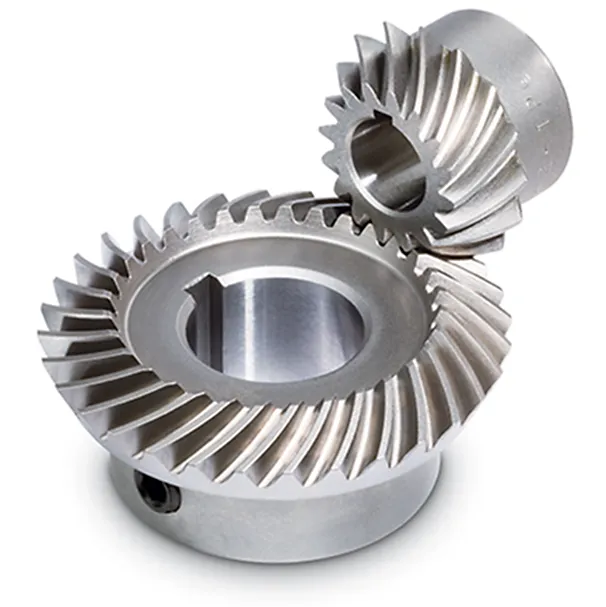
What Are Bevel Gears?
Bevel gears are cone-shaped gears designed to transfer rotation and torque between shafts that intersect, most commonly at a right angle. They consist of two gears with sloped surfaces and interlocking teeth that engage to transmit motion. Available in various types—such as straight, spiral, or hypoid bevel gears—they can be tailored to specific applications by choosing materials like steel, aluminum, or bronze and customizing configurations based on load, speed, and environmental factors.
Key Advantages of Bevel Gears
Bevel gears offer a range of benefits that make them a preferred option for power transmission systems. Below, we outline their top advantages:
1. Efficient 90-Degree Power Transmission
One of the standout features of bevel gears is their ability to redirect rotational motion and torque at a 90-degree angle. This makes them ideal for applications where space constraints or directional changes are critical, such as in automotive differentials, conveyor systems, or machinery requiring compact drivetrains. Unlike other gear types that may require additional components to achieve this, bevel gears provide a direct and efficient solution.
2. Versatility Across Applications
Bevel gears are highly adaptable, capable of handling a wide spectrum of loads and speeds. For light-duty tasks, such as powering a kitchen mixer, a spiral bevel gear made from aluminum might suffice. In contrast, heavy-duty applications—like agricultural vehicles or military robots—benefit from forged steel or cast-iron gearsets designed for high torque and durability. This versatility allows engineers to customize bevel gearboxes to meet specific performance needs.
3. Compact and Space-Saving Design
The compact nature of bevel gears is a significant advantage in systems where installation space is limited. Their ability to transmit power at an angle eliminates the need for bulky auxiliary components, simplifying drivetrain layouts. This is particularly valuable in industries like robotics or aerospace, where minimizing size and weight is a priority.
4. High Load Capacity
Bevel gears, especially spiral bevel variants, excel at managing substantial loads. Their tooth design—particularly in spiral gears, where teeth engage gradually—distributes force evenly, enabling them to handle high torque and overhung loads effectively. This strength makes them suitable for demanding environments, such as industrial machinery or outdoor equipment subjected to heavy shock loads.
5. Quiet Operation with Spiral Bevel Gears
Noise reduction is a critical consideration in many applications, and spiral bevel gears deliver on this front. Unlike straight bevel gears, spiral bevels engage multiple teeth simultaneously, resulting in smoother, quieter operation. This makes them an excellent choice for noise-sensitive settings, such as theaters, airports, or consumer appliances, where a peaceful user experience is essential.
6. High Efficiency
Bevel gears, particularly straight and spiral types, boast efficiency rates of 97–99.5%, rivaling spur gears and surpassing worm gears (50–90%). This high efficiency stems from their rolling tooth contact, which minimizes friction and power loss. For engineers aiming to optimize energy usage in high-speed or continuous-operation systems, bevel gears are a smart choice.
7. Customization and Flexibility
Bevel gearboxes offer extensive customization options, from gear ratios (e.g., 1:1, 2:1) to material selection and lubrication types (grease-filled, oil-filled, or dry). Engineers can also choose between enclosed gearsets, which come pre-assembled with bearings and seals, or “naked” gearing for bespoke designs. This flexibility ensures bevel gears can be tailored to precise application requirements, enhancing overall system performance.
8. Durability and Longevity
When properly selected and maintained, bevel gears are robust and long-lasting. Spiral bevel gears, in particular, can be heat-treated and ground for precision, increasing their durability and reducing wear. This reliability minimizes the need for frequent repairs or replacements, making them a cost-effective option over time.
Considerations When Using Bevel Gears
While bevel gears offer numerous advantages, they come with some trade-offs. Their complex design can increase manufacturing costs, especially for spiral or hypoid variants. They may also generate more noise than planetary gears in certain configurations, and their efficiency can dip slightly under improper alignment or excessive loads. Additionally, overhung loads on shafts must be carefully managed to avoid premature bearing wear. Designers must weigh these factors against the benefits to ensure optimal performance.
Bevel Gears as a System
A bevel gearbox is more than just a gear—it’s a cohesive system where gearing, bearings, and seals work in harmony. Engineers must consider the entire drivetrain when integrating bevel gears, accounting for factors like lubrication, shaft orientation, and load distribution. For instance, placing overhung loads close to the gearbox maximizes bearing life, while proper lubrication keeps components cool and efficient. This systemic approach ensures the gearbox fulfills its intended function, whether it’s powering a small robot or a heavy-duty conveyor.
Real-World Applications
Bevel gears shine in diverse scenarios:
- Light-Duty: A spiral bevel gear in a military robot offers precision and quiet operation.
- Heavy-Duty: Forged bevel gearsets in agricultural vehicles withstand rugged conditions and high torque.
- Consumer Products: Kitchen mixers rely on bevel gears for compact, reliable performance.
Bevel gears remain a powerful and versatile tool in modern engineering, offering a unique combination of efficiency, compactness, and adaptability. Their ability to transmit power at a 90-degree angle, handle diverse loads, and operate quietly (with spiral designs) makes them invaluable across industries. By carefully considering application needs—such as torque, speed, and noise sensitivity—designers can harness the full potential of bevel gears to create efficient, durable, and high-performing systems.
For engineers seeking a trusted partner, companies like Regal Rexnord provide expert support and a wide range of bevel gear solutions, ensuring seamless integration into any drivetrain. Whether you’re designing a small appliance or a heavy industrial machine, bevel gears offer the advantages you need to succeed.