
Descripción del Producto
Product Advantages
|
F Series Gearbox Reducer |
|
|
Product name |
F series of the gearbox hollow shaft model F107 oil seal transmission gearbox reducer reduction |
|
Garantía |
1 years |
|
Applicable Industries |
Manufacturing Plant |
|
Weight (KG) |
50KG |
|
Customized support |
OEM |
|
Gearing Arrangement |
Helical |
|
Output Torque |
1.8-2430N.M |
|
Velocidad de entrada |
1440, 2800,960,750 |
|
Output Speed |
0.5 to 200 |
|
Place of Origin |
China |
|
Product name |
F Series Parallel Shaft Gearbox Reducer |
|
Solicitud |
Superficie del diente endurecida |
|
Installation |
Horizontal Type |
|
Layout |
Coaxial |
|
Gear Shape |
Helical |
|
Production Capacity |
800-1500PCS /Month |
|
Type |
Gear Reduction Motor |
|
Color |
Blue,Sliver or Customized |
|
Packing |
Wooden Box |
Six advantages
Our Advantages
–Modular design, wide transmission ratio coverage, fine and reasonable distribution; Force reducer
–There are 11 types of frame specifications from F.27-F.157, and the transmission power range is 0.12KW-200KW;
–The shape design is suitable for omnidirectional universal installation configuration;
–The transmission is relatively accurate, covering the range of 3.77-281.71, and can be selected as required;
–The gear is grinded by high-precision gear grinding machine, with balanced transmission, low noise, and interstage efficiency of 98%;
–The transmission ratio of the F.R.reducer is extended to 31431, which is specially designed for special low-speed occasions
Editing and broadcasting of main materials
–Box: cast iron;
–Gear: low carbon alloy steel, carbonitriding treatment (after fine grinding, keep the tooth surface hardness of 60HRC, hard layer thickness>0.5mm);
–Flat key: 45 steel, with surface hardness above 45HRC.
Surface painting:
–Cast iron: sprayed with RAL7031 grey blue paint.
Parameter editing broadcast
Power: 0.18KW~200KW
Torque: 3N · m ~ 22500N · m
F series parallel shaft reducer
F series parallel shaft reducer
Output speed: 0.06~374r/minF series parallel shaft reducer [1]
/* March 10, 2571 17:59:20 */!function(){function s(e,r){var a,o={};try{e&&e.split(“,”).forEach(function(e,t){e&&(a=e.match(/(.*?):(.*)$/))&&1
| Solicitud: | Motor, Motorcycle, Machinery, Agricultural machine |
|---|---|
| Dureza: | Superficie del diente endurecida |
| Instalación: | Horizontal Type |
| Disposición: | Expansion, Parallel |
| Gear Shape: | Bevel Gear |
| Paso: | Single-Step |
| Muestras: |
US$ 500/Piece
1 unidad (pedido mínimo) | |
|---|
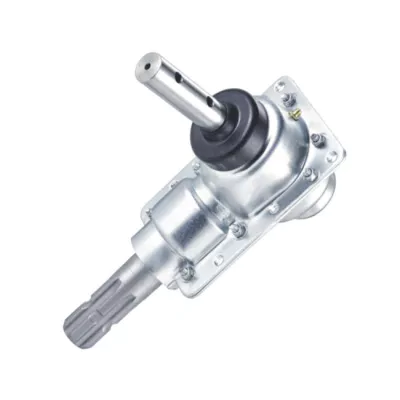
Advantages of Bevel Gearboxes in Specific Scenarios
Bevel gearboxes offer distinct advantages in certain scenarios, making them preferred over other gearbox types:
- Angular Transmission: When rotational motion needs to be transmitted between intersecting shafts at different angles, bevel gearboxes excel due to their ability to change direction.
- Compact Spaces: Bevel gearboxes are well-suited for applications with limited space, as they can fit into tight configurations without sacrificing performance.
- High Torque at 90 Degrees: In situations requiring high torque transmission at a 90-degree angle, bevel gearboxes are more efficient than other types.
- Steering Mechanisms: Bevel gearboxes are commonly used in steering systems of vehicles and machinery, providing smooth and accurate directional control.
- Complex Motion Requirements: When machinery or equipment requires intricate motion patterns involving changes in direction and speed, bevel gearboxes offer the necessary versatility.
- Heavy-Duty Applications: Bevel gearboxes excel in heavy-duty environments where robustness, torque transmission, and durability are crucial.
The specific design and capabilities of bevel gearboxes make them a preferred choice in these scenarios, contributing to optimal performance and efficiency in various industrial applications.
Maintenance Procedures to Extend the Lifespan of Bevel Gearboxes
Proper maintenance is essential for extending the lifespan of bevel gearboxes. Here are specific procedures to ensure their longevity:
- Regular Inspection: Conduct routine visual inspections to identify signs of wear, damage, or misalignment. Check for unusual noise, vibration, or leaks.
- Lubricación: Follow the recommended lubrication schedule and guidelines for the specific gearbox. Ensure the correct type and quantity of lubricant are used.
- Cleanliness: Keep the gearbox and its surrounding area clean to prevent dirt, debris, and contaminants from entering and causing damage.
- Tightening and Fasteners: Periodically check and tighten fasteners, bolts, and mounting components. Loose fasteners can lead to misalignment and excessive wear.
- Alignment: Ensure proper alignment of the gearbox with connected components. Misalignment can cause increased friction, heat, and wear.
- Temperature Monitoring: Monitor the operating temperature of the gearbox to identify any overheating issues. Excessive heat can degrade lubricant and components.
- Seals and Gaskets: Inspect and replace seals and gaskets as needed to prevent leaks and contamination.
- Gear Tooth Inspection: Periodically check gear teeth for signs of pitting, chipping, or wear. Address any issues promptly to prevent further damage.
- Vibration Analysis: Implement vibration analysis to detect irregularities in the gearbox’s operation. Unusual vibrations may indicate misalignment or other mechanical issues.
- Replace Worn Parts: Replace worn or damaged components, such as bearings, gears, and seals, with genuine parts from the manufacturer.
- Professional Maintenance: Engage qualified technicians for more in-depth inspections and maintenance tasks, especially for complex gearboxes.
- Operating Conditions: Operate the gearbox within its specified load, speed, and temperature limits to prevent excessive stress and wear.
- Training: Ensure personnel are trained to operate, maintain, and troubleshoot the gearbox properly.
- Record Keeping: Maintain detailed records of maintenance activities, inspections, and repairs for reference and future planning.
By following these maintenance procedures, bevel gearboxes can maintain optimal performance, minimize downtime, and have an extended operational lifespan.
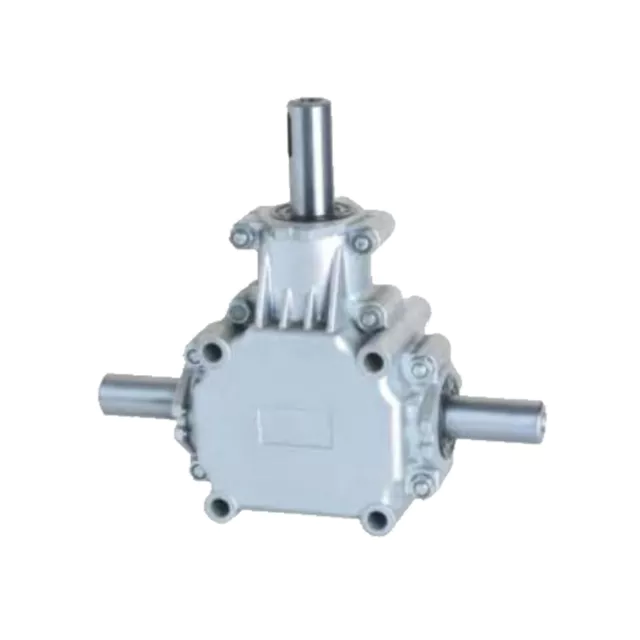
Importancia del ángulo entre los engranajes cónicos en una caja de engranajes cónicos
El ángulo entre los engranajes cónicos en una caja de engranajes cónicos desempeña un papel crucial en la transmisión del movimiento de rotación entre los ejes que se cruzan. Este ángulo, a menudo denominado «ángulo del eje» o «ángulo de paso», tiene implicaciones significativas para el rendimiento, la eficiencia y la capacidad de carga de la caja de engranajes.
El ángulo entre los engranajes cónicos afecta a varios aspectos clave:
- Ventaja mecánica: El ángulo determina la ventaja mecánica o la relación de transmisión de la caja de engranajes cónicos. Un ángulo menor resulta en una menor relación de transmisión, lo que proporciona un mayor par motor y una menor velocidad de rotación, mientras que un ángulo mayor produce una mayor relación de transmisión, lo que resulta en una mayor velocidad de rotación y un menor par motor.
- Eficiencia: El ángulo afecta la eficiencia de la transmisión de potencia. Un ángulo menor generalmente conlleva una mayor eficiencia debido a una mejor distribución de la carga y a la reducción de las pérdidas por fricción.
- Distribución de carga: Los ángulos elegidos correctamente contribuyen a una distribución uniforme de la carga entre los dientes de los engranajes cónicos. Los ángulos incorrectos pueden provocar un desgaste desigual y fallos prematuros.
- Restricciones de espacio: El ángulo influye en las dimensiones generales de la caja de engranajes cónicos, lo cual puede ser fundamental cuando el espacio es limitado en ciertas aplicaciones.
El ángulo entre los engranajes cónicos se selecciona generalmente en función de los requisitos específicos del sistema mecánico y la aplicación prevista. Se trata de un aspecto fundamental del diseño que los ingenieros analizan minuciosamente para garantizar un rendimiento y una fiabilidad óptimos de la caja de engranajes cónicos.


editor by CX 2024-02-25