
Produktbeschreibung
Model: XBN7 manual operated bevel gearbox for valve
Application
XBN series multi-turn spiral bevel gearboxes are used for manual or electric (with electric actuators) operation. It’s suitable for gate valves, globe valves, sluice and sluice gate.
Operating Environment
XBN series multi-turn spiral bevel gearboxes are with good mechanical quality and steady operating performance which apply to deal with variety climate and temperature. We strive to develop RB series spiral bevel gearbox to meet higher demands.
Enclosure: IP67 (IP68, IP65 optional)
Working Temperature: From-20ºC to 120ºC( -4ºF to 248ºF)
Painting: Silver grey (Customization)
Introduction
XBURS XBN multi-turn spiral bevel gearboxes series with spiral bevel gear used is in high quality and safety. Compared to conventional bevel gearbox it’ s with high transmission efficiency, superior bearing capacity, low noise, steady running etc. XBN series is completely sealed with good waterproof performance. It is easy to process axis hole and key groove because of the removable sleeve. XBN series spiral bevel gearbox consists of both manual and electric operation, flange standard according to ISO 5210.
Characters
1. Totally enclosed gearing
2. Grease filled for longer life
3. Comprehensive gear ratios for differentapplications
4. Removable output sleeve
5. Optional output connection
6. Manual and electric operation
7. Sealed structure, protection to IP67 (IP 68 optional)
Connect With Valve
The flange connecting to valve is according to ENISO5210 or DIN3210 (Customization)
Main Products
Worm gearbox, bevel gearbox, valve gear box,worm gear operator, worm gear actuator, valve worm gear, valve gear operator, valve gear actuator, valve actuator.
Gear Operator, Valve Gearbox, Bevel Gearbox, Gearbox, Speed Reducer, Multi-Turn Bevel Gearbox, Bevel Gearbox Supplier, High Quality Bevel Gearbox, Gearbox manufacturer
(XBN7)
/* January 22, 2571 19:08:37 */!function(){function s(e,r){var a,o={};try{e&&e.split(“,”).forEach(function(e,t){e&&(a=e.match(/(.*?):(.*)$/))&&1
| Protection Level: | IP67 |
|---|---|
| Working Temperature: | -20 to 120 Degrees Celsius |
| Applications: | Gate Valves, Globe Valves, Sluice |
| Painting: | Silver Grey or Customization |
| Optional: | IP65 or IP68 |
| Operation: | Manual Operated |
| Customization: |
Available
| Customized Request |
|---|
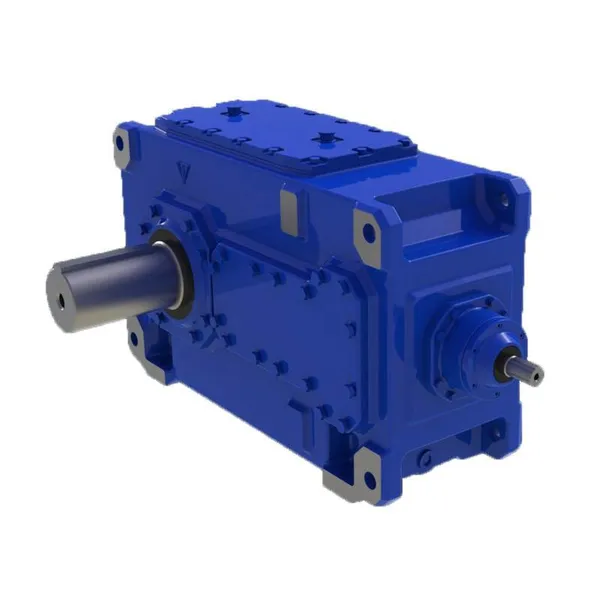
Minimizing Backlash and Ensuring Efficient Power Transfer in Bevel Gearboxes
Bevel gearboxes are meticulously designed to minimize backlash and optimize power transfer efficiency, ensuring smooth and precise motion in mechanical systems.
Several design considerations contribute to minimizing backlash and enhancing power transfer:
- Tooth Profile and Quality: High-precision tooth profiles with minimal clearance between mating gears reduce backlash. The use of advanced manufacturing techniques ensures consistent gear quality and accurate tooth engagement.
- Preload and Contact Pattern: Properly applied preload and optimized contact patterns between the bevel gear teeth enhance meshing accuracy, reducing the potential for backlash and improving load distribution.
- Gearbox Rigidity: Stiff and rigid gearbox housing and components help maintain precise gear alignment, reducing the effects of deflection and misalignment that can lead to backlash.
- Bearing Selection: High-quality bearings with minimal play contribute to reduced backlash and smoother motion by minimizing axial and radial movement of the gears.
- Schmierung: Adequate lubrication reduces friction, wear, and vibration, promoting efficient power transfer and minimizing backlash-related issues.
- Tolerances and Manufacturing Precision: Tight manufacturing tolerances and precision machining processes ensure consistent gear geometry, alignment, and positioning, minimizing any potential sources of backlash.
By incorporating these design principles and practices, bevel gearboxes are engineered to achieve tight backlash control and efficient power transmission. This makes them suitable for applications where precise motion control, accuracy, and reliability are crucial, such as robotics, aerospace, automotive, and industrial machinery.
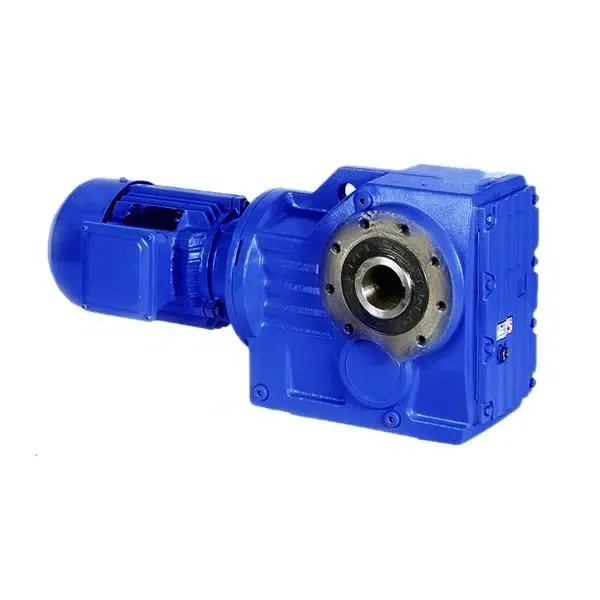
Herausforderungen bei der Verwendung von Kegelradgetrieben
Kegelradgetriebe bieten zwar verschiedene Vorteile, aber bei ihrer Verwendung können auch gewisse Herausforderungen auftreten:
- Schmierung: Eine ausreichende Schmierung ist unerlässlich, um Reibung, Verschleiß und Wärmeentwicklung in Kegelradgetrieben zu reduzieren. Die Gewährleistung einer effektiven Schmierung der ineinandergreifenden Kegelräder kann jedoch aufgrund ihrer komplexen Geometrie und der Gefahr von Ölansammlungen oder unzureichender Schmierung eine Herausforderung darstellen.
- Lärm und Vibrationen: Kegelradgetriebe können im Betrieb, insbesondere bei höheren Drehzahlen, Geräusche und Vibrationen erzeugen. Die Interaktion der Zahnräder kann zur Geräuschentwicklung führen, die gegebenenfalls zusätzliche Maßnahmen wie Schalldämmung oder Schwingungsdämpfung erfordert.
- Ausrichtung: Die präzise Ausrichtung der Kegelräder ist entscheidend für eine reibungslose und effiziente Kraftübertragung. Fehlausrichtungen können zu erhöhtem Verschleiß, geringerer Effizienz und sogar Zahnausfällen führen. Die korrekte Ausrichtung ist bei Kegelradgetrieben im Vergleich zu anderen Getriebetypen oft komplexer.
- Wartung: Kegelradgetriebe erfordern unter Umständen häufigere Wartung als andere Getriebesysteme. Regelmäßige Inspektionen, Schmierungskontrollen und die Überwachung des Zahnprofils sind notwendig, um Probleme frühzeitig zu erkennen und zu beheben, bevor sie sich verschlimmern.
- Platzbeschränkungen: Kegelradgetriebe können sperrig sein, insbesondere bei Anwendungen mit hohem Übersetzungsverhältnis. Dies kann in beengten Platzverhältnissen problematisch sein.
- Wärmeableitung: Bei Anwendungen mit hohen Drehzahlen oder starker Beanspruchung kann es in Kegelradgetrieben zu erheblicher Wärmeentwicklung kommen. Um Überhitzung und vorzeitigen Ausfall zu verhindern, sind geeignete Wärmeabfuhrmechanismen wie Kühlrippen oder Schmierstoffkühlung erforderlich.
Ingenieure und Hersteller müssen diese Herausforderungen sorgfältig angehen, um den zuverlässigen und effektiven Einsatz von Kegelradgetrieben in verschiedenen Anwendungen zu gewährleisten.
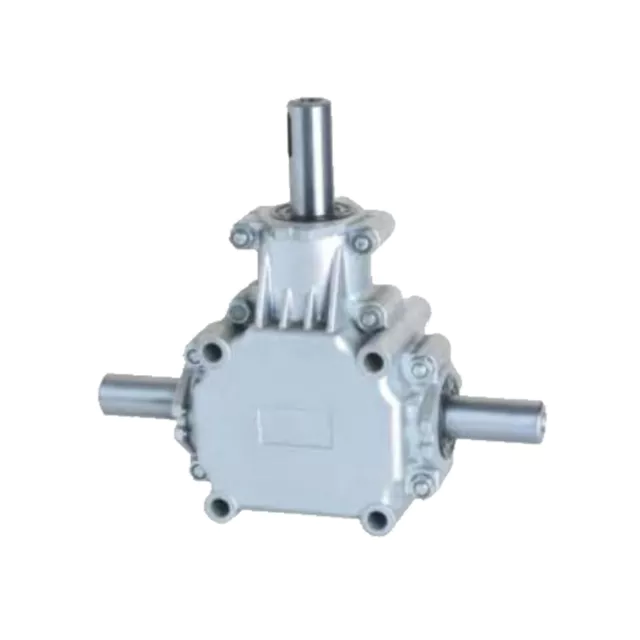
Significance of the Angle Between Bevel Gears in a Bevel Gearbox
The angle between bevel gears in a bevel gearbox plays a crucial role in determining how the rotational motion is transmitted between the intersecting shafts. This angle, often referred to as the “shaft angle” or “pitch angle,” has significant implications for the performance, efficiency, and load-bearing capacity of the gearbox.
The angle between bevel gears affects several key aspects:
- Mechanical Advantage: The angle determines the mechanical advantage or gear ratio of the bevel gearbox. A smaller angle results in a lower gear ratio, providing higher torque and slower rotational speed, while a larger angle yields a higher gear ratio, resulting in higher rotational speed and lower torque output.
- Efficiency: The angle affects the efficiency of power transmission. A smaller angle generally leads to higher efficiency due to improved load distribution and reduced friction losses.
- Load Distribution: Properly chosen angles contribute to even load distribution across the teeth of the bevel gears. Improper angles can cause uneven wear and premature failure.
- Platzbeschränkungen: The angle impacts the overall dimensions of the bevel gearbox, which can be critical when space is limited in certain applications.
The angle between bevel gears is typically selected based on the specific requirements of the mechanical system and the intended application. It is a critical design consideration that engineers carefully analyze to ensure optimal performance and reliability of the bevel gearbox.


editor by CX 2024-03-11