
Descrizione del prodotto
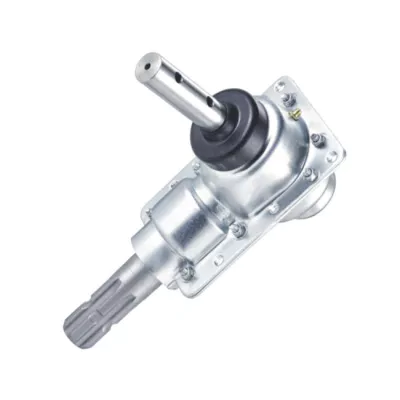
SC Transmission T-Shaped Spiral Bevel Gear Steering Box
90 Degree Right Angle Gearbox
Descrizione del prodotto
Technical data:
1. Power: 0.37-200 (KW)
2. Output Speed: 11-226RMP,
3. Torque: 400-56000 (N. M)
4. Transmission stage: Three stage
Parametri del prodotto
1. MOQ: 1 set
2. Packing method: Polywood
3. Delivery lead time: 10-25 days
4. Price terms: FOB, CIF, EXW
5. Payment method: T/T, 30% in advance, 70% balance before delivery
6. Shipping port: HangZhou
7. OEM: We accept customized products as per your special requirement.
8. Xihu (West Lake) Dis.lines for the Selection: Usually we can select 1 machine which is suitable for you with some informations from you, such as ratio/motor speed/mounting dimension/ output torque etc.
| input power | 0.018-96kw |
| ratio | 1-3 |
| permissable torque | 11-607N.M |
| mounting type: | footmounted |
| usage: | change direction |
Gearbox Parameters:
| Models | Input Power | Rapporto | Max. Torque | Weight(kg) | Output Shaft Dia.(k6) |
| T2 | 0.014KW~1.79KW | 1~2 | 11 | 2 | Φ15 |
| T4 | 0.026KW~4.94KW | 1~2 | 31 | 10 | Φ19 |
| T6 | 0.037KW~14.9KW | 1~3 | 94 | 21 | Φ25 |
| T7 | 0.042KW~22KW | 1~3 | 139 | 32 | Φ32 |
| T8 | 0.064KW~45.6KW | 1~3 | 199 | 49 | Φ40 |
| T10 | 0.11KW~65.3KW | 1~3 | 288 | 78 | Φ45 |
| T12 | 0.188KW~96KW | 1~3 | 607 | 124 | Φ50 |
| T16 | 0.40KW~163KW | 1~3 | 1073 | 188 | Φ60 |
| T20 | 0.69KW~234KW | 1~3 | 1943 | 297 | Φ72 |
| T25 | 1.4KW~335KW | 1~3 | 3677 | 488 | Φ85 |
Ratio: 1:1, 1.5:1, 2:1, 2.5:1, 3:1
Applications:
The products are widely applied in electricity, coal, cement, metallurgy, harbor, agriculture, shipping, lifting, environment protection, stage, logistic, weaving, paper making, light industry, plastics and other regions
1. We accept sample order.
2. We undertake the problems due to quality.
3. We supply detail answers about technical questions.
4. We are the manufacturer so we could supply the products as soon as possible.
5. At the instance of our dear customer, we can do the customized gear boxes for clients.
Profilo Aziendale
FAQ
Shipping
/* March 10, 2571 17:59:20 */!function(){function s(e,r){var a,o={};try{e&&e.split(“,”).forEach(function(e,t){e&&(a=e.match(/(.*?):(.*)$/))&&1
| Application: | Motor, Machinery, Agricultural Machinery |
|---|---|
| Hardness: | Hardened Tooth Surface |
| Installation: | Horizontal Type |
| Gear Shape: | Bevel Gear |
| Step: | Three-Step |
| Type: | Planetary Gear Reducer |
| Samples: |
US$ 50/Piece
1 Piece(Min.Order) | |
|---|
| Customization: |
Available
| Customized Request |
|---|
Vantaggi dei riduttori a ingranaggi conici in scenari specifici
I riduttori a ingranaggi conici offrono vantaggi distinti in determinati scenari, il che li rende preferibili rispetto ad altri tipi di riduttori:
- Trasmissione angolare: Quando è necessario trasmettere un moto rotatorio tra alberi intersecanti con angolazioni diverse, i riduttori a ingranaggi conici si rivelano particolarmente efficaci grazie alla loro capacità di cambiare direzione.
- Spazi compatti: I riduttori a ingranaggi conici sono particolarmente adatti per applicazioni con spazio limitato, poiché possono essere installati in configurazioni ristrette senza compromettere le prestazioni.
- Coppia elevata a 90 gradi: Nelle situazioni che richiedono la trasmissione di una coppia elevata con un angolo di 90 gradi, i riduttori a ingranaggi conici sono più efficienti rispetto ad altri tipi.
- Meccanismi di sterzo: I riduttori a ingranaggi conici sono comunemente utilizzati nei sistemi di sterzo di veicoli e macchinari, garantendo un controllo direzionale fluido e preciso.
- Requisiti per il movimento complesso: Quando macchinari o attrezzature richiedono schemi di movimento complessi che implicano cambi di direzione e velocità, i riduttori a ingranaggi conici offrono la versatilità necessaria.
- Applicazioni gravose: I riduttori a ingranaggi conici eccellono negli ambienti di lavoro gravosi, dove robustezza, trasmissione della coppia e durata sono fondamentali.
La progettazione e le caratteristiche specifiche dei riduttori a ingranaggi conici li rendono la scelta ideale in questi scenari, contribuendo a prestazioni ed efficienza ottimali in diverse applicazioni industriali.
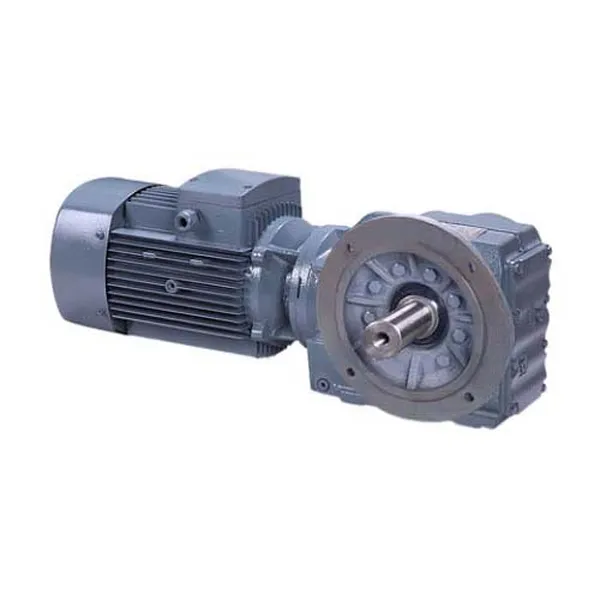
Proper Installation and Alignment of Bevel Gearboxes
Installing and aligning a bevel gearbox correctly is essential to ensure its optimal performance and longevity. Here are the steps typically involved in the process:
- Preparation: Before installation, thoroughly clean the mounting surfaces of both the gearbox and the driven equipment to ensure proper contact. Check that all components are in good condition and free from damage.
- Positioning: Carefully position the gearbox and the driven equipment according to the manufacturer’s specifications and the intended orientation of the bevel gears.
- Allineamento: Use precision alignment tools, such as dial indicators or laser alignment systems, to ensure accurate alignment of the bevel gears. The goal is to achieve proper concentricity and parallelism between the input and output shafts of the gearbox.
- Bolt and Fasten: Securely bolt and fasten the gearbox to the mounting surface. Use appropriate torque settings as recommended by the manufacturer to ensure proper clamping force without overloading the fasteners.
- Lubrificazione: Apply the recommended lubricant to the bevel gears and other relevant components according to the manufacturer’s guidelines. Proper lubrication is crucial for reducing friction and wear during operation.
- Testing: After installation, perform a thorough functional test of the bevel gearbox. Check for any abnormal noise, vibration, or overheating during operation. Ensure that the gearbox operates smoothly and efficiently under different load conditions.
- Monitoring: Regularly monitor the performance of the bevel gearbox through routine inspections and maintenance. Keep an eye out for any signs of misalignment, wear, or other issues that may affect performance.
It’s important to follow the manufacturer’s installation and alignment guidelines closely, as proper installation practices contribute to the reliable and efficient operation of the bevel gearbox.
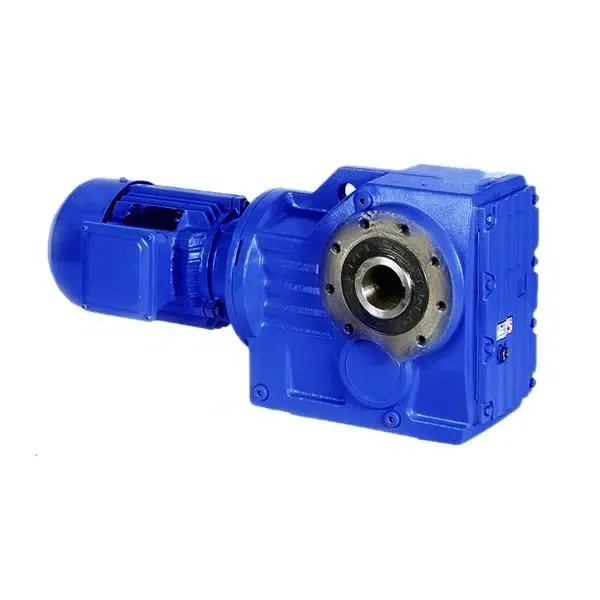
Primary Applications of Bevel Gearboxes in Different Industries
Bevel gearboxes find widespread use across various industries due to their ability to change the direction of rotational motion and transmit torque efficiently. Some of the primary applications of bevel gearboxes in different industries include:
- Automotive Industry: Bevel gearboxes are commonly used in automotive differentials to distribute torque between the wheels and allow for smooth cornering. They also play a crucial role in transferring power between the engine and the wheels.
- Industrial Manufacturing: Bevel gearboxes are utilized in machine tools, such as milling machines and lathes, to transmit power and motion between different components. They are also found in conveyor systems and material handling equipment.
- Construction and Heavy Equipment: Bevel gearboxes are integrated into construction equipment like cranes, bulldozers, and excavators to change the direction of motion and transfer torque for various operations.
- Marine Industry: Bevel gearboxes are used in marine applications, such as ship propulsion systems and steering mechanisms, to redirect power and motion efficiently.
- Power Generation: Bevel gearboxes are employed in power plants to transmit rotational motion and torque between different components of generators and turbines.
- Aerospace Industry: Bevel gearboxes are used in aerospace applications for functions like adjusting the pitch of aircraft propellers and controlling the movement of landing gear.
- Mining and Quarrying: Bevel gearboxes are used in mining machinery to transfer power and torque to conveyor belts, crushers, and other equipment.
- Agricultural Machinery: Bevel gearboxes are found in agricultural equipment like tractors and harvesters to drive different components and attachments.
The versatile nature of bevel gearboxes makes them suitable for a wide range of industries where efficient torque transmission and directional changes are essential for optimal operation.


editor by CX 2023-12-25